
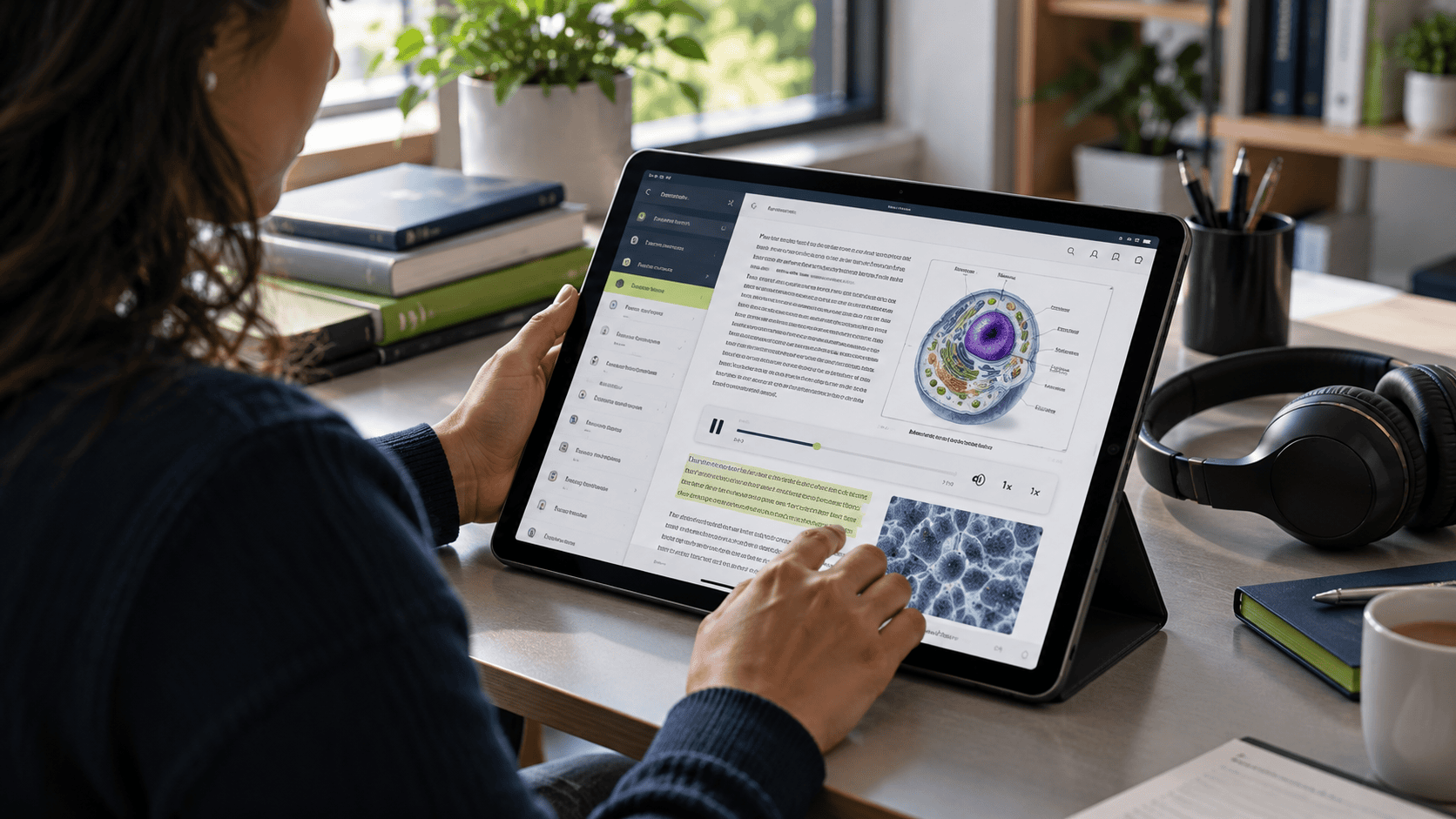
Digital publishing has evolved far beyond simple text conversions. Today, eBooks are produced in multiple formats, designed for different reading experiences, devices, and publishing objectives. For publishers, academic institutions, and media technology companies, understanding these variations is essential—not only for delivering high-quality digital content but also for ensuring accessibility for all readers.
Accessibility is no longer a secondary consideration in publishing workflows. With growing global accessibility regulations and increased focus on inclusive reading experiences, publishers must ensure that eBooks are structured, navigable, and readable for users with diverse needs. This means accessibility must be integrated into the eBook creation process from the start.
In this article, we explore the different types of eBooks used across the publishing ecosystem and examine their accessibility requirements, helping publishers create digital books that are both functional and inclusive.
The Expanding Role of eBooks in Modern Publishing
eBooks have become a central part of the digital publishing landscape. Academic publishers distribute research and journals digitally, educational publishers provide interactive learning materials, and trade publishers reach global readers through multiple digital platforms.
However, the structure of an eBook can vary significantly depending on its purpose. Some eBooks prioritize flexible reading across devices, while others maintain strict layout fidelity for visual content such as textbooks, illustrated books, or technical publications.
Because of these differences, accessibility requirements also vary across eBook types. A well-structured eBook ensures that screen readers, assistive technologies, and alternative reading tools can interpret the content correctly.
Reflowable eBooks
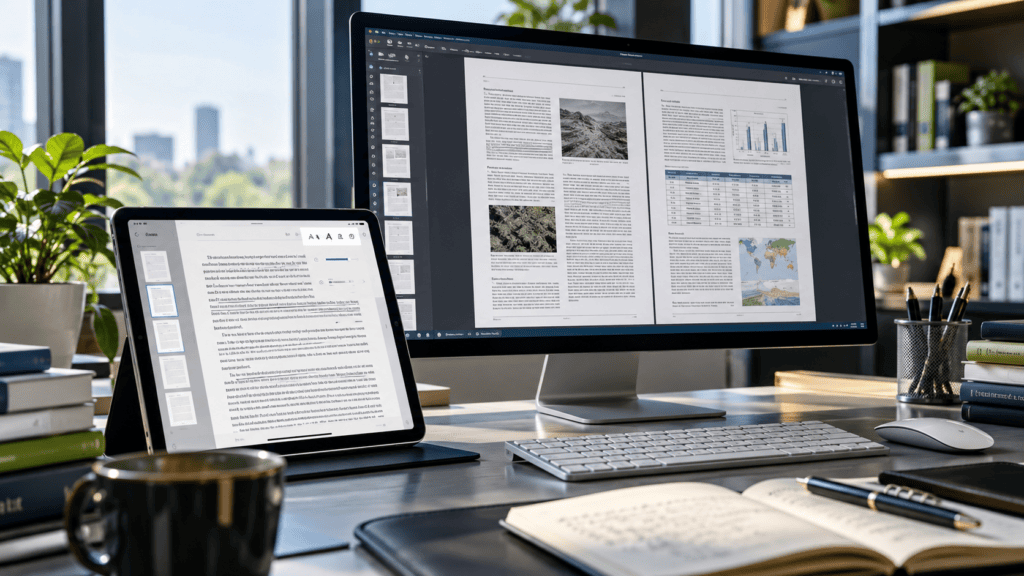
Reflowable eBooks are the most common format used in digital publishing. In this format, the text adapts automatically to different screen sizes, allowing readers to adjust font size, spacing, and display settings based on their preferences.
This flexibility makes reflowable formats widely used in:
- Fiction and nonfiction trade books
- Academic publications
- Journals and research papers
- Long-form reading materials
Accessibility Considerations
Because reflowable eBooks rely heavily on structured content, proper semantic tagging and navigation are essential. Accessibility requirements include:
- Logical heading hierarchy
- Structured table of contents
- Properly tagged lists, tables, and sections
- Alt text for images
- Compatible navigation for screen readers
When implemented correctly, reflowable formats provide one of the most accessible reading experiences because the content can adapt to user needs.
Fixed Layout eBooks
Fixed layout eBooks preserve the exact visual appearance of a page. Unlike reflowable formats, the layout remains unchanged regardless of screen size. This format is typically used when the design itself is essential to the reading experience.
Common examples include:
- Children’s books
- Graphic novels
- Cookbooks
- Art and design publications
- Highly illustrated textbooks
Accessibility Considerations
Accessibility becomes more complex in fixed layout formats because assistive technologies cannot easily interpret visual elements without proper tagging.
Key accessibility requirements include:
- Descriptive alt text for images and graphics
- Structured reading order
- Proper tagging of text blocks
- Accessible navigation elements
Without these measures, fixed layout eBooks can become difficult for screen readers and other assistive technologies to interpret.
Enhanced eBooks
Enhanced eBooks incorporate multimedia elements such as audio, video, animations, or interactive components. These are often used in educational publishing or digital learning environments.
Examples include:
- Interactive textbooks
- Educational learning modules
- Multimedia children’s books
- Training manuals and instructional materials
Accessibility Considerations
Enhanced eBooks require additional accessibility measures to ensure that multimedia content is usable for all readers.
Important accessibility elements include:
- Captions or transcripts for audio and video
- Descriptions for animations and interactive elements
- Keyboard navigation for interactive components
- Clear structural navigation throughout the content
When multimedia content is implemented without accessibility considerations, it can create barriers for readers who rely on assistive technologies.
EPUB3 and Accessibility Standards
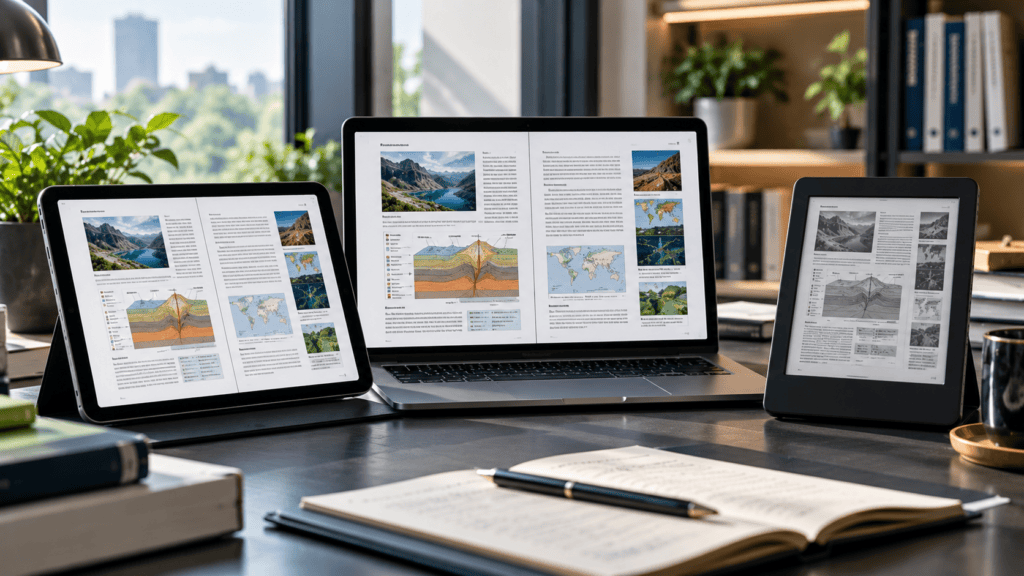
EPUB3 has become the most widely adopted standard for modern eBook publishing. It supports advanced features such as multimedia integration, semantic structure, and accessibility metadata.
EPUB3 allows publishers to create eBooks that are both visually rich and accessible, provided that the content is properly structured during production.
Key accessibility features supported by EPUB3 include:
- Semantic HTML tagging
- ARIA roles for assistive technologies
- Navigation landmarks
- Accessible metadata for discovery
- Compatibility with screen readers
By adopting EPUB3 standards, publishers can ensure that their digital books meet modern accessibility expectations while remaining compatible with multiple reading platforms.
Accessibility as a Publishing Responsibility
Accessibility in eBook publishing is not simply a technical requirement—it is part of delivering equitable access to information.
Millions of readers worldwide rely on assistive technologies such as screen readers, magnification tools, and alternative navigation systems. For these users, the structure of an eBook determines whether the content can be read effectively.
Global publishing is also increasingly influenced by accessibility regulations and standards that require digital content to be usable by individuals with disabilities. As digital distribution expands, publishers must ensure that accessibility is embedded within their production workflows.
Integrating accessibility early in the eBook creation process not only ensures compliance but also improves overall content quality, navigation clarity, and usability across devices.
Building Accessibility into the eBook Production Workflow
One of the most common challenges publishers face is treating accessibility as a final step rather than a core part of the production pipeline.
When accessibility is addressed late in the workflow, it often requires extensive rework. A more effective approach is to integrate accessibility during manuscript preparation, typesetting, and digital conversion.
A structured workflow typically includes:
- Proper content structuring during editorial preparation
- Semantic tagging during typesetting
- Image descriptions and alternative text creation
- Metadata integration for accessibility standards
- Multi-stage quality checks for accessibility compliance
By embedding accessibility within the workflow, publishers can produce eBooks that are consistent, scalable, and ready for global distribution.
The Future of Accessible eBook Publishing
The demand for accessible digital content continues to grow across academic publishing, education, and trade markets. As readers increasingly access content through mobile devices, assistive technologies, and digital learning platforms, accessibility will become an essential component of publishing infrastructure.
Publishers that integrate accessibility into their digital workflows gain several advantages:
- Wider audience reach
- Improved usability across devices
- Greater compliance with international accessibility standards
- Higher quality digital products
Rather than viewing accessibility as a regulatory requirement, many publishers now see it as an opportunity to improve the overall reading experience.

Partnering with Experts in eBook Creation and Accessibility
Creating accessible eBooks requires a combination of editorial precision, structured formatting, technical expertise, and rigorous quality control. For many publishers, working with a specialized publishing partner ensures that these elements are handled efficiently and consistently.
Wordium provides end-to-end publishing solutions that support publishers throughout the entire digital production process. From editorial preparation and typesetting to eBook conversion and accessibility implementation, Wordium helps publishers transform manuscripts into high-quality digital publications ready for global distribution.
With scalable workflows, advanced publishing technologies, and a strong focus on accessibility standards, Wordium ensures that every eBook is structured, compliant, and optimized for modern reading platforms.
If you are looking to create high-quality, accessible eBooks that meet modern publishing standards, Wordium can help.
Whether you are producing academic publications, trade titles, educational materials, or digital-first content, our team supports publishers with expert eBook creation, conversion, and accessibility solutions.
Connect with Wordium today to build accessible digital books that reach every reader.
Frequently Asked Questions
1. What are the different types of eBooks?
The main types of eBooks include reflowable eBooks, fixed-layout eBooks, and enhanced eBooks. Each format serves different publishing needs and has specific accessibility considerations.
2. Which eBook format is best for accessibility?
Reflowable EPUB3 is generally well suited for accessibility because readers can adjust text size, spacing, and display settings. Proper semantic structure, navigation, and accessibility testing are still essential.
3. What are the accessibility requirements for EPUB3?
Accessible EPUB3 publications should include semantic HTML, logical heading structures, accessible navigation, meaningful image descriptions, appropriate accessibility metadata, and compatibility with assistive technologies.
4. How do you make fixed-layout eBooks accessible?
Publishers should provide meaningful alt text, establish a logical reading order, structure text correctly, and ensure navigation works with screen readers and other assistive technologies.
5. How can publishers ensure eBooks meet accessibility standards?
Publishers can integrate accessibility into content preparation, typesetting, and eBook conversion. They should validate document structure, image descriptions, navigation, metadata, and assistive technology compatibility before distribution.
Are Your eBooks Ready for Accessible Reading?
From reflowable and fixed-layout eBooks to interactive digital publications, Wordium helps publishers address accessibility requirements across formats. Our specialists support eBook conversion, semantic structuring, accessibility metadata, and quality checks to help deliver accessible digital books.